




2027 DVC Annual Dues: Costs, Increases & Resale Insights
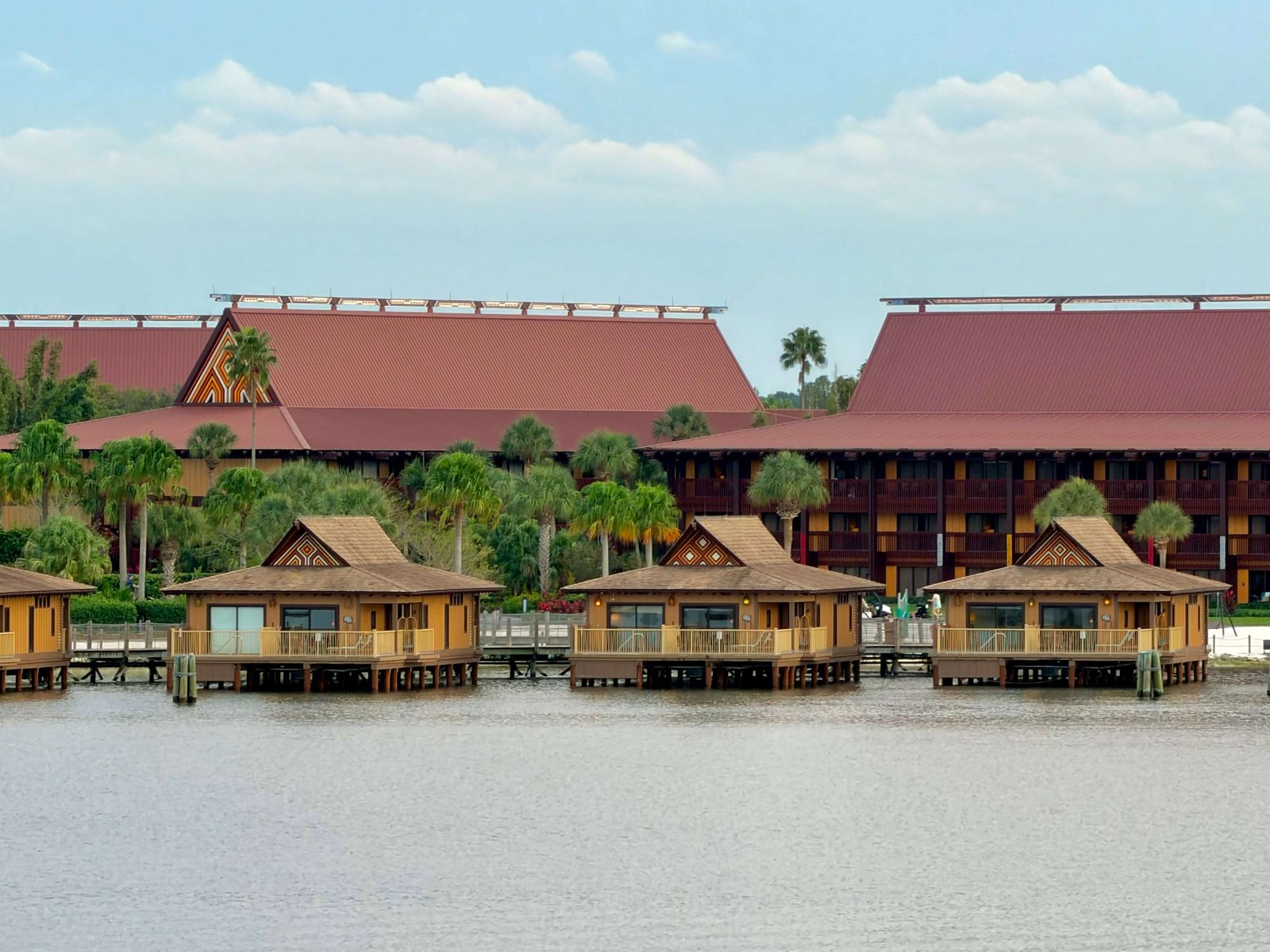
The 2027 Disney Vacation Club Annual Dues have been released, reflecting an average increase of approximately 4.13% across all 17 Disney Vacation Club Resorts. This represents a more modest increase compared to the 6.38% average reported for 2026, although annual dues continue to rise across every Disney Vacation Club (DVC) resort.
For current DVC Members and prospective buyers, annual dues represent one of the most significant ongoing expenses associated with Disney Vacation Club ownership. Understanding how these costs change from year to year is essential for evaluating both the affordability and long term value of a membership.
In this article, we’ll examine the complete 2027 DVC annual dues breakdown, compare the new rates with 2026, highlight notable changes, and explore what these increases could mean for current owners and the DVC Resale Market.
What Are DVC Annual Dues?
DVC annual dues are the yearly fees that Disney Vacation Club Members pay based on the number of Vacation Points they own at their home resort. These fees help fund the ongoing operation, maintenance, and long-term upkeep of each property.
Annual dues generally cover several categories of expenses, including:
-
Resort Operating Costs: Utilities, housekeeping, landscaping, transportation, routine maintenance, and other daily operating expenses.
-
Administrative Expenses: Resort management, Member services, and reservation system operations.
-
Capital Reserves: Funds allocated for major repairs, replacements, refurbishments, and future property improvements.
-
Real Estate Taxes: Property taxes assessed on the resort.
For example, a Member who owns 200 points at a resort with annual dues of $10.00 per point would pay $2,000 in annual dues.
Unlike the initial purchase price of a DVC contract, annual dues are a recurring financial obligation that Members must account for throughout their ownership.
For prospective buyers, understanding annual dues matters when comparing resorts, as a lower upfront purchase price doesn’t necessarily mean a lower overall cost of ownership.
2027 Disney Vacation Club Annual Dues by Resort
The following table compares the proposed 2027 Disney Vacation Club annual dues with the 2026 rates, including the percentage increase for each resort:
| Resort | 2027 Dues Per Point | 2026 Dues Per Point | % Increase |
|---|---|---|---|
| Animal Kingdom Villas | $10.57 | $10.1608 | 4.03% |
| Aulani | $11.46 | $10.9572 | 4.59% |
| Aulani (Subsidized) | $8.61 | $8.2369 | 4.53% |
| Bay Lake Tower | $9.14 | $8.7415 | 4.56% |
| Beach Club Villas | $10.34 | $9.8113 | 5.39% |
| BoardWalk Villas | $10.01 | $9.6717 | 3.50% |
| Boulder Ridge Villas | $10.08 | $9.7672 | 3.20% |
| Cabins at Fort Wilderness | $12.99 | $12.2756 | 5.82% |
| Copper Creek Villas & Cabins | $9.43 | $9.0200 | 4.55% |
| Disneyland Hotel Villas | $11.06 | $10.5354 | 4.98% |
| Grand Californian Villas | $9.91 | $9.5203 | 4.09% |
| Grand Floridian Villas | $8.74 | $8.3142 | 5.12% |
| Hilton Head Island Resort | $13.23 | $12.8621 | 2.86% |
| Old Key West Resort | $11.70 | $11.2054 | 4.41% |
| Polynesian Villas & Bungalows | $8.70 | $8.3334 | 4.40% |
| Riviera Resort | $9.89 | $9.4553 | 4.60% |
| Saratoga Springs Resort & Spa | $9.67 | $9.1877 | 5.25% |
| Vero Beach Resort (Before 1/1/96) | $11.84 | $11.6859 | 1.32% |
| Vero Beach Resort (On or After 1/1/96) | $15.09 | $14.8939 | 1.32% |
Note: The 2027 figures are rounded to the nearest cent, as reported by Disney Vacation Club. Percentage increases are calculated using these rounded amounts and the published 2026 dues.
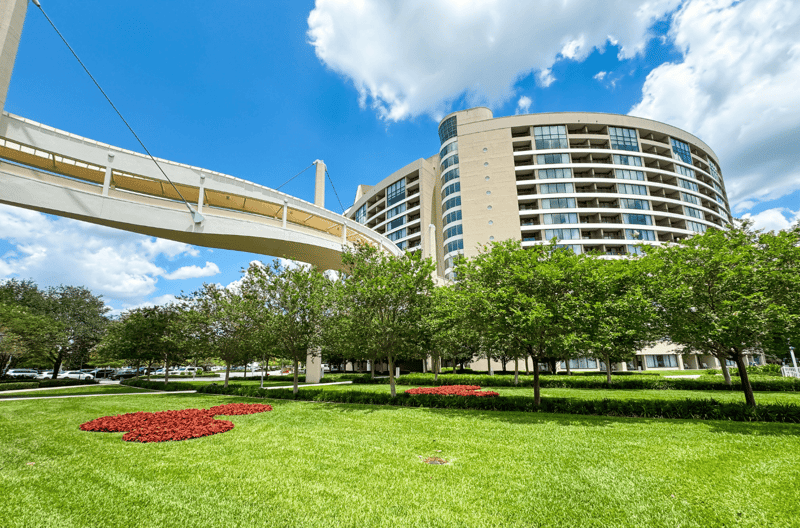
What’s Changing for 2027?
1. A More Moderate Increase Compared to 2026
One of the most notable developments in the 2027 DVC annual dues is the moderation in the overall rate of increase.
After the 6.38% average increase reported for 2026, the approximately 4.13% average increase for 2027 represents a meaningful reduction in the pace of annual dues growth.
Although every DVC resort is experiencing an increase, the majority fall within a relatively narrow range of approximately 3% to 5%.
For Members who experienced particularly significant increases in recent years, this moderation may provide some relief when planning their ownership expenses.
However, it is important to recognize that smaller percentage increases do not necessarily translate into lower overall costs. Annual dues continue to accumulate over time, and even modest increases can have a significant financial impact throughout the remaining life of a DVC contract.
While the overall trend is more moderate, several individual resorts stand out for their larger increases.
2. The Largest Increases: Fort Wilderness, Beach Club, and Saratoga Springs
The Cabins at Disney’s Fort Wilderness Resort experienced the largest percentage increase for 2027, rising 5.82% to $12.99 per point.
This follows a comparatively modest increase of 3.36% in 2026. With annual dues now approaching $13 per point, Fort Wilderness remains among the more expensive DVC properties to own on an annual basis.
Disney’s Beach Club Villas experienced the second largest increase at 5.39%, bringing annual dues to $10.34 per point. This represents another year of rising ownership costs at a resort that has historically maintained strong demand due to its location, amenities, and relatively limited resale inventory.
Meanwhile, Disney’s Saratoga Springs Resort & Spa saw dues increase 5.25% to $9.67 per point.
Saratoga Springs remains a popular option for resale buyers seeking a combination of relatively affordable purchase prices, comparatively moderate annual dues, and a contract expiration date of 2054. However, its annual dues have gradually increased, reinforcing the importance of evaluating total ownership costs rather than purchase price alone.
3. Other Notable Resort Changes
Several additional DVC resorts present interesting comparisons for 2027.
Disney’s Grand Floridian Resort & Spa saw annual dues increase 5.12% to $8.74 per point. Despite this increase, Grand Floridian continues to have one of the lowest annual dues rates among the Walt Disney World DVC resorts.
Bay Lake Tower experienced a 4.56% increase to $9.14 per point. This is notably lower than its 9.06% increase in 2026, when it experienced the largest percentage increase among DVC resorts.
Similarly, Grand Californian Villas saw a more moderate 4.09% increase for 2027, compared with 8.22% the previous year.
Disney’s Polynesian Villas & Bungalows increased 4.40% to $8.70 per point. Polynesian continues to maintain relatively low annual dues compared with many other DVC properties, an important consideration for buyers evaluating itlong-termrm ownership costs.
Meanwhile, Disney’s Vero Beach Resort experienced the smallest percentage increases for 2027, with both dues categories rising approximately 1.32%.
Disney’s Hilton Head Island Resort also experienced a relatively modest increase of 2.86%, bringing its annual dues to $13.23 per point.
These differences demonstrate how individual resort budgets and operational requirements can affect dues increases, even when broader economic conditions are similar.
4. Which DVC Resorts Have the Highest Annual Dues in 2027?
While percentage increases are important, prospective buyers should also evaluate the actual annual dues charged per point.
For 2027, several resorts continue to have notably higher carrying costs than others.
| Resort | 2027 Dues Per Point |
|---|---|
| Vero Beach (On or After 1/1/96) | $15.09 |
| Hilton Head Island | $13.23 |
| Cabins at Fort Wilderness | $12.99 |
| Vero Beach (Before 1/1/96) | $11.84 |
| Old Key West | $11.70 |
Vero Beach continues to have the highest annual dues among the listed DVC ownership categories, despite recording one of the smallest percentage increases for 2027.
Hilton Head Island and the Cabins at Fort Wilderness also remain among the more expensive resorts in terms of annual maintenance costs.
These differences are particularly important when comparing resale contracts. A lower upfront purchase price may initially appear attractive, but higher recurring annual dues can offset those savings over time.
For buyers considering contracts at resorts with higher maintenance fees, evaluating anticipated travel habits, annual point usage, and the remaining contract term is especially important.
5. What Is Driving DVC Annual Dues Increases?
While each DVC resort operates under its own annual budget, several factors can contribute to changes in annual dues.
Operating Expenses: Labor, utilities, insurance, transportation, and general resort operating costs can fluctuate from year to year, affecting the amount collected from Members.
Maintenance and Refurbishments: Disney Vacation Club resorts require ongoing maintenance and periodic refurbishments. Budgeted reserve contributions help fund major future expenses, including furniture replacements, building improvements, and other capital projects.
Property Taxes: Changes in real estate assessments and applicable tax rates can affect annual dues, sometimes creating meaningful differences between resorts.
Resort Specific Requirements: The location, size, age, and operational needs of individual resorts can result in significantly different annual maintenance expenses.
Although these factors provide context for annual dues increases, determining the specific reasons behind a particular resort’s change requires reviewing its annual budget and condominium association disclosures.
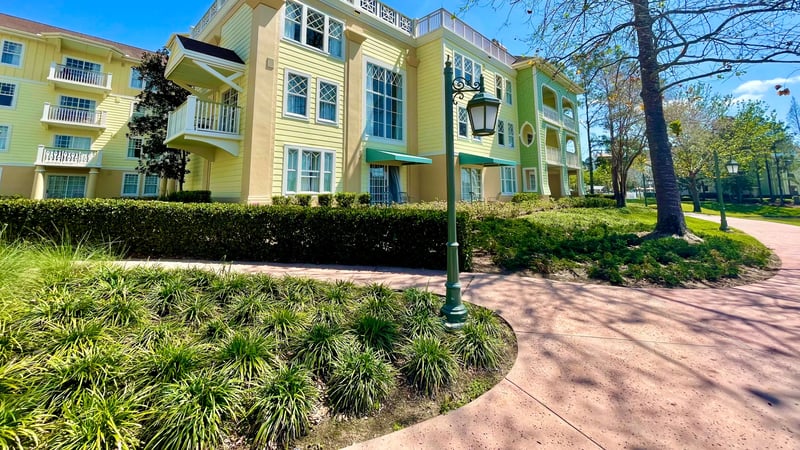
Calculate Your Annual Dues and Explore Ways to Offset the Cost
Understanding your annual dues is an important part of evaluating the overall cost of Disney Vacation Club ownership. However, Members who are unable to use all their Vacation Points each year may have an opportunity to offset some or all of those expenses through renting.
The DVC Annual Dues Calculator from DVC Rental Store allows Members to estimate their annual dues based on their home resort and ownership points, while also calculating approximately how many points they would need to rent to offset those costs.
For current owners and prospective buyers alike, this tool provides a helpful perspective on managing the ongoing financial commitment of Disney Vacation Club ownership.
What Do the 2027 Annual Dues Mean for the DVC Resale Market?
Annual dues play an important role in the Disney Vacation Club resale market because they directly influence the ongoing cost of ownership.
Although the more moderate increases for 2027 may be welcome news for current Members, these costs remain an essential consideration for both buyers and sellers.
1. Evaluating the Total Cost of Ownership
For prospective DVC resale buyers, the initial purchase price represents only one component of the overall financial commitment.
Annual dues, remaining contract length, available Vacation Points, and anticipated future increases should all factor into the decision.
For example, two resorts with similar resale purchase prices may have different annual dues rates. Over a period of 10 or 20 years, those differences can add up to thousands of dollars in additional ownership expenses.
A contract with a higher initial purchase price but lower annual dues could potentially represent a better long term value, depending on the buyer’s intended use and anticipated ownership period.
2. Annual Dues and Resale Market Demand
Annual dues can influence how buyers evaluate different resorts, particularly when comparing properties with similar accommodations or booking advantages.
Resorts offering a combination of competitive resale pricing, lower annual dues, and favorable contract expiration dates may remain particularly attractive to buyers focused on long term value.
However, maintenance fees are only one factor affecting resale demand. Home resort booking priority, location, availability, contract length, and personal vacation preferences can be equally important.
For this reason, higher annual dues do not necessarily indicate that a particular resort will experience weaker resale demand or lower contract prices.
3. Considerations for Sellers
For Members considering selling their DVC ownership, annual dues can influence how prospective buyers assess a contract’s overall value.
Buyers may compare the ongoing expenses associated with different resorts, particularly when several contracts are available at similar purchase prices.
However, the relationship between dues increases and resale pricing is not always straightforward. Inventory levels, demand, remaining contract length, and overall market conditions continue to play significant roles in determining resale values.
Owners considering selling should evaluate current market activity and comparable listings rather than assuming that an annual dues increase will automatically reduce their contract’s value.
4. The Importance of Long-Term Planning
Perhaps the most important takeaway for both buyers and sellers is that Disney Vacation Club ownership should be evaluated as a long-term financial commitment.
Annual dues can change every year, and even relatively modest increases can compound over the remaining life of a contract.
Prospective buyers should consider not only what a resort costs to maintain today, but also how potential future increases could affect their vacation budget.
This is especially important for buyers planning to own their resort for decades.
When Are 2027 Disney Vacation Club Annual Dues Due?
Disney Vacation Club Members can expect their 2027 annual dues statements to become available mid-December 2026.
The important payment dates are:
-
Mid-December 2026: Annual dues statements are expected to become available.
-
January 15, 2027: Annual dues payments are due in full.
-
February 15, 2027: Unpaid annual dues balances are considered delinquent.
Members generally have the option to pay their annual dues in full or participate in an automatic monthly payment plan using an eligible U.S. bank account.
Members should review their official annual dues statements and payment arrangements to ensure their accounts remain current.
Not Sure If You Should Rent or Sell Your DVC Contract?
With 2027 Annual Dues right around the corner, now is a good time to evaluate your DVC ownership. If you’re looking to offset your Annual Dues by renting out unused points or considering selling your contract altogether, we can help you explore your options.
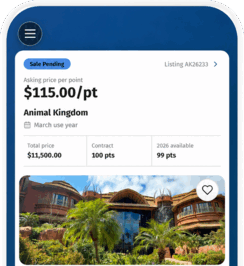
Our Rent or Sell Tool helps you decide which option makes the most sense for your vacation plans and financial goals. See how renting your points could help cover your dues, or explore what selling your DVC contract could mean for you.
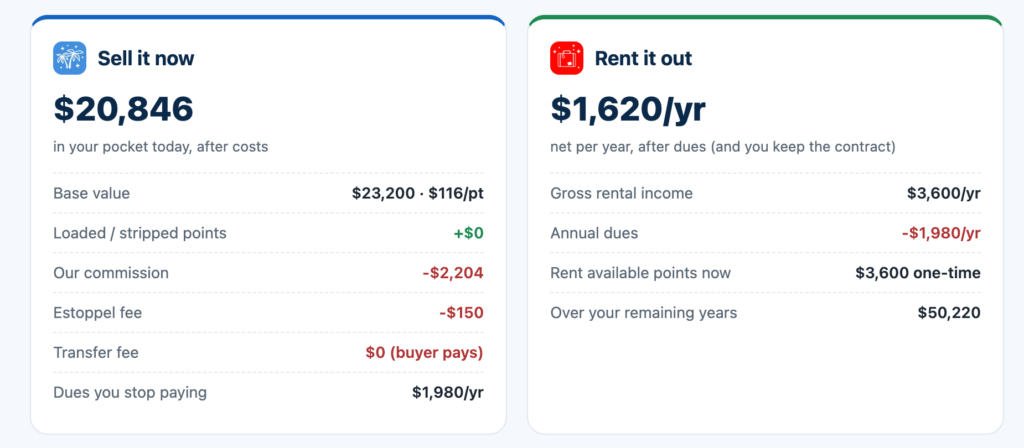
Rent or Sell Payout Example
For more information, explore the latest Disney Vacation Club resale listings and learn more about buying or selling with DVC Resale Market.
For additional Disney Vacation Club news, resort updates, and detailed annual dues coverage, visit DVC Fan.



Comments