




2026 Disney Vacation Club Annual Dues: What Members Need to Know
The 2026 annual dues for the Disney Vacation Club (DVC) have been released, showing a blended increase of 6.38% across all resorts. This year’s numbers reflect higher‑than‑historical average increases, with some resorts showing particularly steep jumps. In this post we’ll walk through the full dues table, highlight the key trends and outliers, and talk about what this means for current members and the resale market.
What are DVC Annual Dues?
In simple terms, DVC annual dues are the yearly charges that each member must pay based on the number of points they own at their home resort. These funds help cover:
-
Operating costs like utilities, housekeeping, landscaping and maintenance.
-
Administrative and reservation system costs.
-
Replacement fund and major capital reserves (roofs, finishes, painting) plus real estate (ad valorem) taxes.
For instance, if you own 100 points at a resort with a per‑point dues of $10.00, your annual dues would be $1,000. These dues are billed annually and must be paid to maintain your membership rights, including booking. Understanding dues is critical for budgeting your membership and evaluating the value of DVC ownership.
2026 Proposed Annual Dues Per Point
Here is the table showing 2026 dues (per point), the 2025 dues, and the % increase year‑over‑year by resort:
| Resort | 2026 Dues Per Point | 2025 Dues Per Point | % Increase |
|---|---|---|---|
| Animal Kingdom Villas | $10.1608 | $9.6470 | 5.32% |
| Aulani | $10.9572 | $10.1219 | 8.25% |
| Aulani (Subsidized) | $8.2369 | $7.6090 | 8.26% |
| Bay Lake Tower | $8.7415 | $8.0150 | 9.06% |
| Beach Club Villas | $9.8113 | $9.1207 | 7.57% |
| BoardWalk Villas | $9.6717 | $9.0570 | 6.79% |
| Boulder Ridge Villas | $9.7672 | $9.1885 | 6.30% |
| Cabins at Fort Wilderness | $12.2756 | $11.8769 | 3.36% |
| Copper Creek Villas & Cabins | $9.0200 | $8.4914 | 6.22% |
| Disneyland Hotel Villas | $10.5354 | $9.8207 | 7.28% |
| Grand Californian Villas | $9.5203 | $8.7974 | 8.22% |
| Grand Floridian Villas | $8.3142 | $7.9298 | 4.85% |
| Hilton Head Island Resort | $12.8621 | $11.9207 | 7.89% |
| Old Key West Resort | $11.2054 | $10.5049 | 6.67% |
| Polynesian Villas & Bungalows | $8.3334 | $7.9263 | 5.14% |
| Riviera Resort | $9.4553 | $9.0572 | 4.40% |
| Saratoga Springs Resort & Spa | $9.1877 | $8.5394 | 7.59% |
| Vero Beach Resort (Before 1/1/96) | $11.6859 | $11.2374 | 3.99% |
| Vero Beach Resort (On or After 1/1/96) | $14.8939 | $14.3026 | 4.13% |
What’s Changing for 2026?
1. Above‑Average Increase Across the Board
With a blended increase of 6.38%, the 2026 dues jump is noticeably higher than many previous years. Historically, annual increases often fell in the 3 %‑5 % range. For many members, this means higher carrying costs for their membership than in recent years.
2. Standout Increases: Bay Lake Tower & Grand Californian
-
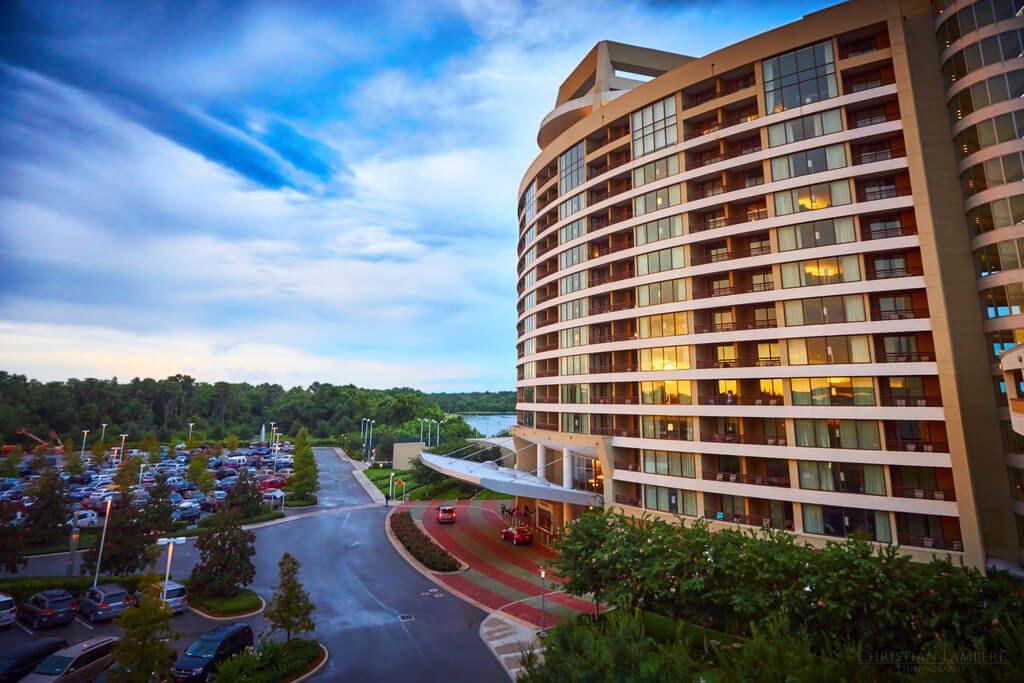
Bay Lake Tower sees the largest increase at 9.06% — likely tied to its refurbishment and repositioning. Even with the large increase, at $8.7415 per point, it remains one of the lower‑cost resorts in terms of dues.
-
Grand Californian Villas jumps 8.22% to $9.5203 per point. Given the mixed member sentiment around recent refurbishments at Grand Californian, this increase may draw particular scrutiny among members.
3. Other Notable Resorts
-
Cabins at Fort Wilderness posts the lowest increase at 3.36%, rising to $12.2756 per point.
-
Vero Beach increases by only 3.99%.
-
Polynesian Villas & Bungalows rises a modest 5.14% (to $8.3334), which is notable compared to the highest jumps and likely related to it being an actively selling direct property.
4. The Highest DVC Annual Dues
Resorts like Hilton Head ($12.8621), Vero Beach (On or After 1/1/96 at $14.8939) and Cabins at Fort Wilderness remain among the highest dues per point. These premiums reflect higher operating costs associated with location, infrastructure, weather, and resort amenities.
5. What’s Driving the Increases?
Key drivers likely include:
-
Inflation and higher costs for labour, utilities, and materials.
-
Maintenance and capital reserve needs post‑refurbishment at certain resorts.
-
Resort‑specific operational demands (e.g., hospitality, newer or heavily refined properties).
-
Association budget decisions reflecting future reserve requirements.
What This Means for Members
-
Higher Yearly Cost: Ownership now entails larger annual dues bills; members should factor this into budgeting.
-
Value Consideration: Even with higher dues, the overall value proposition of DVC depends on how often members use their points and compare against hotel rates.
-
Refurbishment Impact: Resorts undergoing renovations or major refurbishment work may see larger increases (as seen at Bay Lake Tower and Grand Californian). Members at those resorts should anticipate continuing higher cost burdens.
-
Relative Value: Resorts with lower per‑point dues still may represent good value—Bay Lake Tower, for example, despite its large jump, remains comparatively affordable from a dues standpoint.
What Does This Mean for the DVC Resale Market?
-
More Owners Considering Selling: With dues increases trending above historic norms, some owners may decide their membership cost no longer aligns with their vacation usage. This could lead to more listings in the resale market.
-
Low Inventory Relief: A potential uptick in owners seeking to offload contracts may help counteract existing low‑inventory conditions and provide more options for buyers.
-
Buyer Evaluation Factor: Prospective resale buyers must build in the higher dues trajectory into their purchase calculations—not just the current per‑point rate, but expected increases over time.
-
Negotiation Leverage: Sellers may need to factor the higher cost trend into pricing expectations; buyers may use the stronger increase trend as negotiating leverage.
Final Thoughts
The 2026 DVC annual dues reflect a clear upward shift. For members and prospective buyers alike, this emphasises the importance of ongoing cost awareness, planning, and long‑term budgeting when it comes to your Disney Vacation Club membership. While higher dues may raise eyebrows, the underlying value of DVC still exists, thanks to the resale market, and provided the membership is used wisely and fits the owners’ vacation habits.
As always, stay tuned for updates from DVC’s annual condominium association meetings and consult your resort’s budget disclosures available via mail or the DVC website.
For more detail on individual resorts and tips on optimizing your DVC ownership, you can explore past posts from DVC Fan or consult resale market insights at DVC Resale Market.
Access all DVC resale listings and learn more about buying and selling with DVC Resale Market.


Comments