




What Is the Transient Occupancy Tax

If you’re planning a Disney Vacation Club stay at resorts like Aulani or The Villas at Disneyland Hotel, you may notice an additional fee called the Transient Occupancy Tax.
For some Guests, this charge can come as a surprise, especially if they’ve never encountered it during previous Disney vacations. Here’s what the Transient Occupancy Tax is, why Disney Vacation Club Members and renters may need to pay it, and what to expect before your stay.
What Is a Transient Occupancy Tax?
Even if you’ve never heard the term “Transient Occupancy Tax,” you’ve probably paid it before. Many hotels and resorts across the United States charge occupancy taxes as part of the total cost of a stay, especially in popular tourist destinations.
These taxes are imposed by state and local governments and help fund public services, tourism infrastructure, and local operations. In most hotel stays, the tax is simply included in the final bill. However, Disney Vacation Club stays can work a little differently at select resorts.
If you’ve ever stayed in a cash room at Disneyland Resort, you’ve paid transient occupancy taxes before. The difference with certain Disney Vacation Club resorts is that the fee may be charged separately rather than bundled into the reservation cost.
At Disneyland Resort, Anaheim Municipal Code Chapter 2.12 requires hotel guests to pay a transient occupancy tax based on the cost of their stay. Similarly, Hawaii imposes a Transient Accommodations Tax on resort stays throughout the islands, including at Aulani. Even at Walt Disney World, guests pay a 6% transient tax, as part of a general tax of 12.5% that guests pay at most Walt Disney World resorts.
The important thing to understand is that these taxes are not created or controlled by Disney Vacation Club. They are established by local and state governments, and Disney is responsible for collecting them where applicable.
Current Transient Occupancy Taxes
Disney Vacation Club currently charges transient occupancy taxes separately at two resorts:
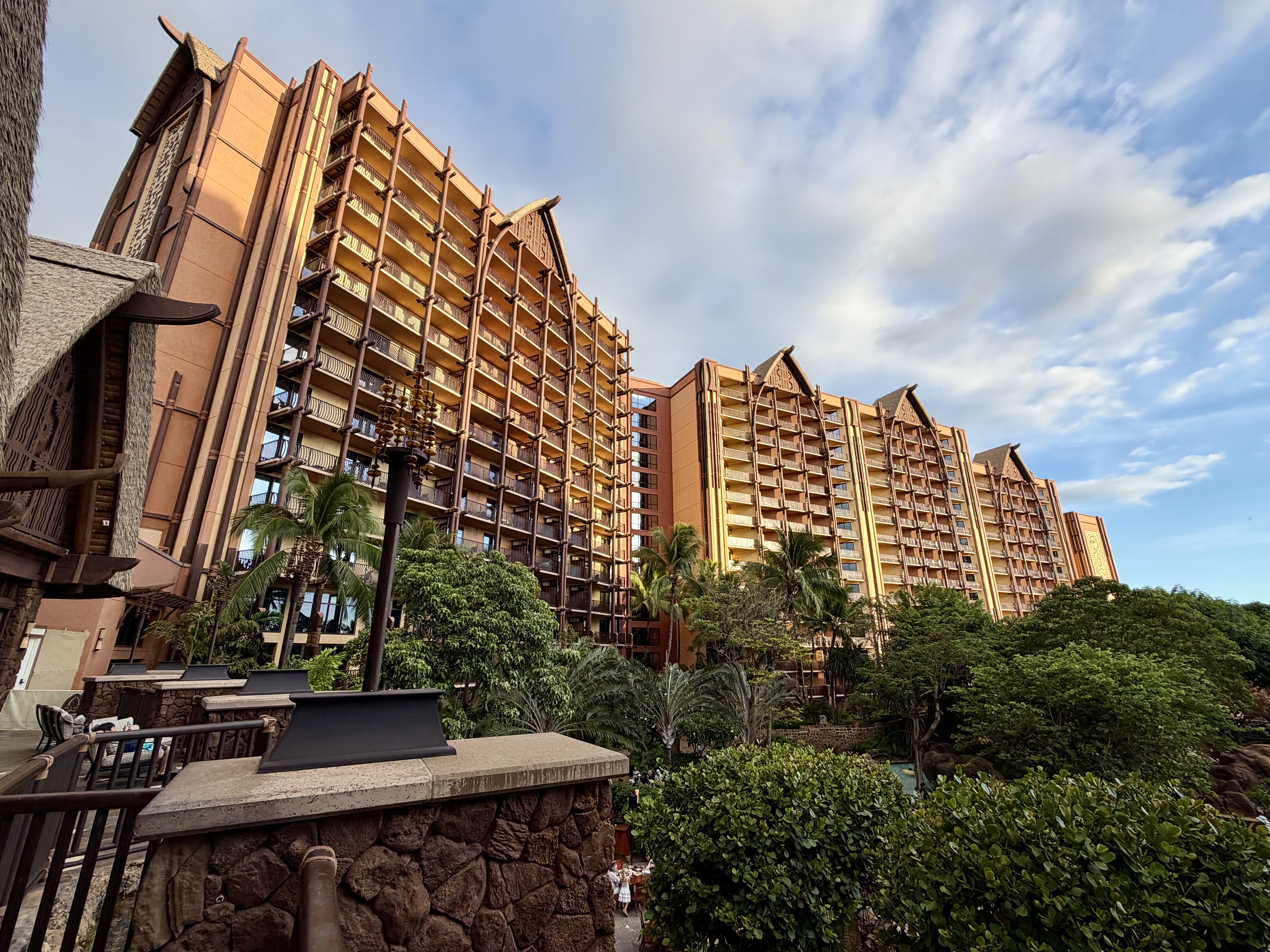
Aulani, Disney Vacation Club Villas
- 2026 Transient Occupancy Taxes
- 2027 Transient Occupancy Taxes (Not Released as of May 2026)
The Villas at Disneyland Hotel
Because these taxes are set by local governments, the rates can change annually. Disney Vacation Club publishes updated charts each year outlining the nightly tax amounts based on villa type and travel season.

How Transient Occupancy Taxes Impact DVC Members
For Disney Vacation Club Members, the biggest impact is simple: this tax becomes an additional out-of-pocket expense during your stay due at checkout.
The amount varies based on several factors, including:
- Resort
- Villa category
- Travel season
- Number of Vacation Points required for the reservation
At The Villas at Disneyland Hotel, transient occupancy taxes can vary significantly depending on room type and season. Here’s an example framework of how these nightly charges are structured:
Example Transient Occupancy Tax Ranges at The Villas at Disneyland Hotel
- Duo Studio: $30.56 to $91.67 per night
- Deluxe Studio: $39.72 to $125.28 per night
- One Bedroom Villa: $91.67 to $189.44 per night
- Two Bedroom Villa: $131.39 to $281.11 per night
- Three Bedroom Villa: $293.33 to $623.32 per night
For longer stays, these nightly fees can add up quickly, which is why it’s important for Members and renters to budget for them ahead of time.
At the same time, it’s worth remembering that transient occupancy taxes exist at many Disney destinations already. In most hotel stays, the taxes are simply bundled into the room price and less noticeable to Guests.
Disney Does Not Control These Fees
One important detail often gets overlooked in these discussions: Disney does not establish these tax rates.
Transient occupancy taxes are determined by city, county, and state governments. Disney Vacation Club simply collects the required amount based on local law.
That distinction matters because these rates can increase over time as local governments adjust tourism related taxes to fund infrastructure, public services, and municipal operations.
This has already happened in Hawaii, where transient accommodation taxes have gradually increased over the years. Similar adjustments could occur in Anaheim or other tourist destinations in the future depending on local government decisions.

Villas at Disneyland Hotel
Taxes at Aulani vs. Disneyland
The overall concept behind transient occupancy taxes is very similar at both Aulani and Disneyland Resort. In both cases, local governments impose tourism-related taxes on overnight accommodations.
However, the situations are not completely identical.
At Aulani, Hawaii has long relied heavily on tourism-generated tax revenue. Roughly ten million tourists visit Hawaii each year, which is stunning for a state with about 1.5 million residents. To pay for its infrastructure to support this volume of tourists, Hawaii introduced the Transient Occupancy Tax (TOT) in the 1980s and updated it to account for timeshares in 1999. Since DVC wouldn’t open Aulani, Disney Vacation Club Villas, until 2011, all of this happened long before Disney could do anything about it.
At Disneyland Resort, the conversation surrounding hotel taxes evolved over time alongside Disney’s relationship with the City of Anaheim. In the late 2010s and early 2020s, Disney and Anaheim publicly reevaluated several proposed development agreements and tax incentive arrangements tied to Disneyland Forward and other expansion discussions. Ultimately, Disney chose to move away from certain incentive agreements as negotiations evolved, while Anaheim continued enforcing its existing hotel occupancy tax structure across resort properties. That broader shift helped reinforce the current framework Guests see today at The Villas at Disneyland Hotel.
The important takeaway is that neither situation is unique to Disney Vacation Club specifically. These taxes stem from local tourism policies and government revenue structures.

Grand Californian vs. The Villas at Disneyland Hotel
This is where much of the confusion comes from for Disney Vacation Club Members.
At The Villas at Disney’s Grand Californian Hotel & Spa, transient occupancy taxes are effectively baked into annual dues. Members still pay those taxes, but they do not see them as a separate nightly charge during their stay.
Disney Vacation Club chose a different approach for The Villas at Disneyland Hotel.
Instead of incorporating the taxes into annual dues, Disney charges the transient occupancy tax separately at checkout. As a result, the fees feel much more visible and immediate to Members and renters.
In practical terms, both systems still involve paying transient occupancy taxes. The difference is simply how and when the cost appears to the Member or Guest.
That visibility is one reason some Members experience sticker shock during Disneyland Hotel stays, especially if they were previously familiar only with Grand Californian bookings.
What’s the Bottom Line?
If you’re staying at Aulani or The Villas at Disneyland Hotel, you should absolutely plan ahead for transient occupancy taxes as part of your vacation budget.
That said, these fees should not automatically scare you away from either property.
Both resorts remain extremely popular within Disney Vacation Club because of their locations, accommodations, and overall vacation experience. In many cases, the overall value proposition can still make sense even after factoring in the additional taxes.
The biggest difference is simply visibility.
At some Disney Vacation Club resorts, transient occupancy taxes are already built into annual dues or hotel pricing. At Aulani and The Villas at Disneyland Hotel, you just happen to see the charge more directly at checkout.
Access all available Disney Vacation Club resale listings, or learn more about buying and selling with DVC Resale Market.
If you’d like to make an offer or request a free consultation about buying or adding to your DVC contract, the DVC Resale Market team is here to help!




Comments